Mold on Wood Removal: Best Practices for Lasting Results
July 21, 2026
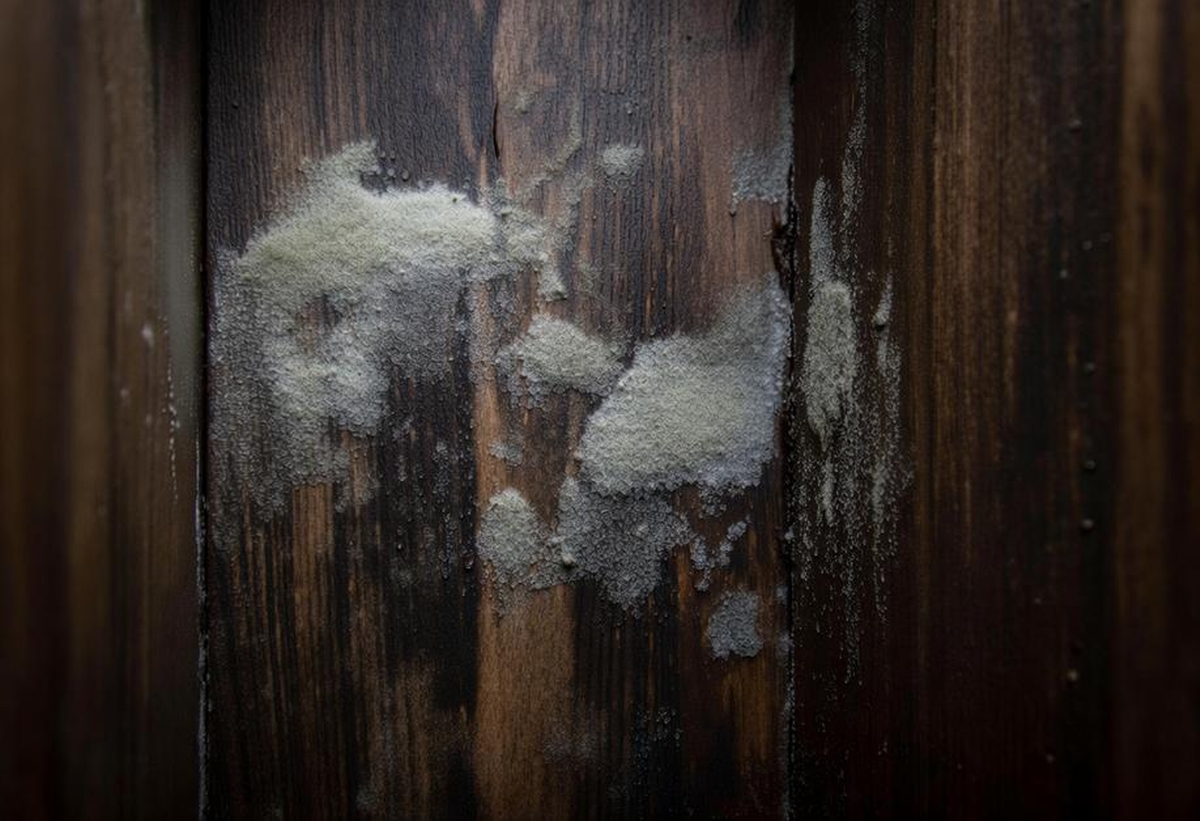
Mold on wooden surfaces is a common issue that can cause significant damage if not addressed promptly. Whether it is in your home or part of your business, overlooking mold on wood surfaces can lead to health risks and structural damage. At Pine Ridge Restoration, we understand the importance of tackling this problem efficiently, offering Cleveland-based property damage restoration services to help maintain the integrity of your space. In this guide, we'll explore the best practices for mold on wood removal, ensuring enduring results and a healthier environment.
When dealing with mold, timing is crucial. Mold spores can quickly spread, often unnoticed, compromising not only the structure but also the indoor air quality. This post will cover essential strategies for removing mold from wood and preventing its recurrence, providing you with professional solutions and practical advice. From understanding the types of mold that affect wood to the steps needed for effective removal, this guide aims to be your comprehensive resource.
Mold thrives in damp, dark environments. Wood, being porous, can absorb moisture easily, making it an ideal growth medium. The most common wood-damaging molds include Aspergillus, Cladosporium, and black mold (Stachybotrys chartarum). Addressing the root cause of mold growth, which often stems from high humidity or water damage, is critical. For instance, if you face recurrent mold issues, consider consulting mold remediation experts to identify structural deficiencies contributing to moisture retention.
Begin by inspecting areas prone to moisture. Basements, attics, or poorly ventilated spaces are typical spots for mold growth on wood. Look for discoloration, a musty odor, or visible mold patches. Document these areas, as they will guide your cleaning and prevention efforts.
Before starting any mold removal, ensure you are equipped with personal protective gear. This includes a mask, gloves, and safety goggles, protecting you against mold spores.
Use cleaning solutions specifically designed for mold removal on wood. Options include diluted bleach, white vinegar, or commercial mold removers. It is important to use these agents correctly to prevent wood degradation.
Apply the cleaning solution to the mold-affected areas. Scrub the surfaces gently with a soft brush to avoid damaging the wood. After cleaning, allow the area to dry completely to prevent mold from returning.
After cleaning, applying a wood sealant can protect the surface from future moisture infiltration. A finishing coat, such as paint or varnish, can also help in safeguarding wood surfaces.
Prevention is always better than cure. Ensure the areas are well-ventilated and employ dehumidifiers to maintain optimal humidity levels. Regular inspections, especially after water damage, are crucial in preventing mold recurrence. Engaging in water damage restoration in Cleveland and beyond can help mitigate conditions conducive to mold formation.
Consider these preventative measures to safeguard against mold growth:
In cases of extensive mold damage, it's advisable to seek professional help. Experts can perform comprehensive assessments, ensuring all contaminated areas are adequately treated. For more critical situations, such as mold deeply embedded in structural materials, professional intervention becomes necessary to restore the property safely and effectively.
In nearby areas like Avon Lake, Pine Ridge Restoration offers efficient mold remediation services. With professional support, you can secure your property against future mold risks and ensure a healthy living environment.
Yes, however, DIY removal is effective only for small, localized mold growths. Always use protective gear and follow the instructions meticulously. For larger infestations, consider hiring professionals to ensure complete eradication.
This depends on the extent of the mold damage. Minor mold on wood removal can be completed within a day, whereas extensive infestations might require several days, especially if structural repairs are needed.
Mold exposure can lead to respiratory issues, allergies, and other health concerns. Individuals with underlying health conditions or respiratory sensitivities should avoid contact with mold and consider professional removal services.
Mold on wood not only affects the aesthetics of your property but also poses significant health risks. By following these best practices, you can effectively manage mold growth and protect your wooden surfaces. Whether you're dealing with minor mold removal or substantial damage restoration, Pine Ridge Restoration is here to assist you.
Utilizing our expert mold remediation services in Kirtland Hills and its surrounding communities, you can ensure your property is in the best hands. Whether for immediate solutions or preventative advice, our team stands ready to support your restoration needs. Contact Pine Ridge Restoration today to secure a mold-free, healthy environment for your home or business.
July 21, 2026
July 17, 2026
July 15, 2026