Soot on Walls: Causes and Cleaning Methods
July 17, 2026
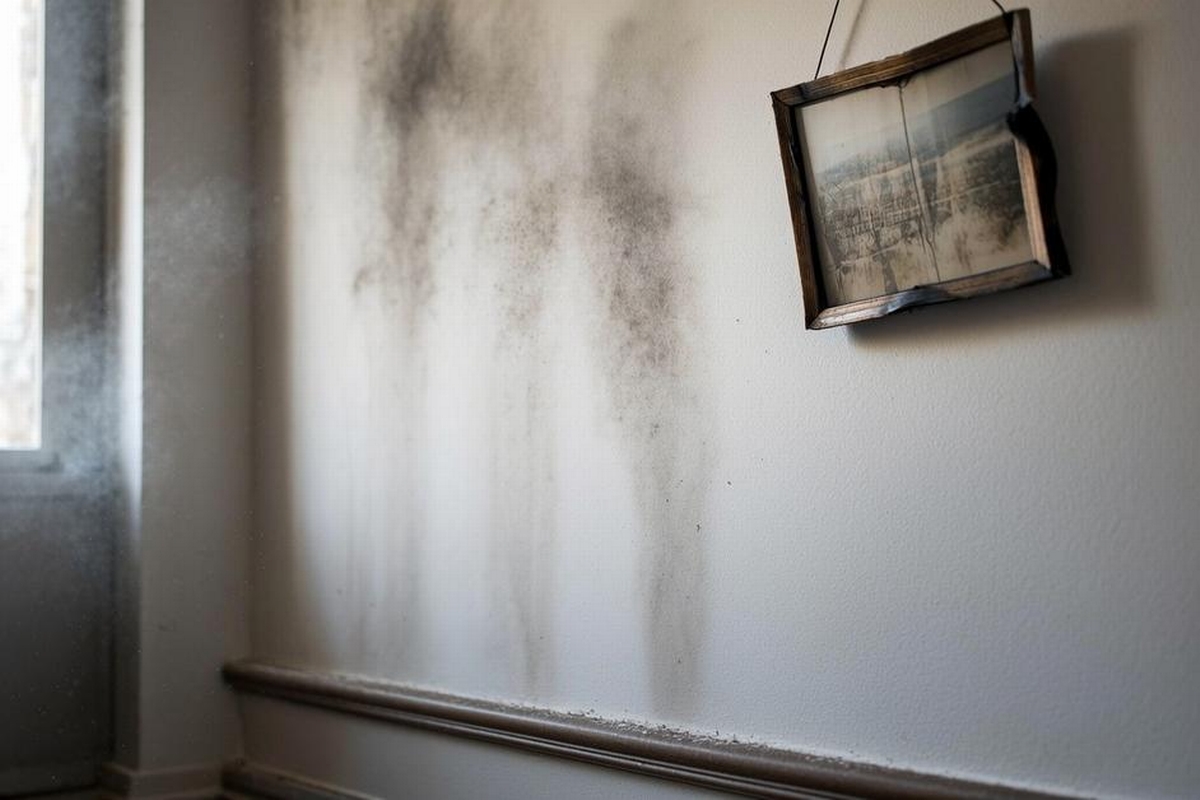
Navigating the unwelcome presence of soot on walls can be frustrating for any homeowner. This blackened residue doesn't just mar the appearance of your home; it can also signify deeper issues related to fire and smoke damage. As a dedicated damage restoration company in Cleveland and its nearby areas, we're here to address these concerns and offer practical solutions for maintaining your home's pristine condition. Soot, a substance created by incomplete combustion, often becomes a challenge, lurking silently on walls until it is unmistakably visible. It’s essential to recognize not only what causes soot but also the best methods to remove it safely and effectively. In this comprehensive guide, we'll explore the underlying factors contributing to soot accumulation and present efficient cleaning strategies.
Cleveland, with its vibrant residential and historical architecture, isn't immune to soot-related problems. Understanding what causes soot to cling to walls is the first step toward tackling this issue. Common culprits include fireplaces, candles, and even everyday home appliances like furnaces and stoves. The particles adhere to surfaces, forming an unsightly film that can be stubborn to remove. Some of these sources might be surprising, especially when everyday activities like cooking or burning candles seem harmless. Let’s delve into these causes in detail to arm you with knowledge and confidence in addressing soot formation.
When it comes to understanding why soot forms on walls, it's crucial to consider both environmental and household sources.
Fireplaces and wood stoves are often the top suspects. While they create warmth and ambiance, they also produce smoke. If ventilation isn't efficient, soot particles can easily escape and settle on walls. A poorly maintained chimney or flue can exacerbate the situation by failing to capture all smoke, allowing soot to infiltrate living areas.
The very systems that heat your home can contribute to soot deposition. Furnaces can emit soot, especially when they're not regularly maintained. Similarly, HVAC systems that circulate air in the house might inadvertently distribute soot particles if filters are not changed frequently. This can lead to a noticeable build-up on walls, particularly around vents.
Surprisingly, ordinary actions like using candles, cooking, or grilling can also lead to soot accumulation in your home. Candles, while providing a pleasant aroma and atmosphere, can be significant sources of soot, especially if they flicker and burn unevenly. Cooking oils and fats can combine with smoke particles to coat walls, particularly in kitchens.
Addressing soot on walls requires a methodical approach to avoid further damage. Let's unpack some of the most effective methods to clean soot, ensuring the preservation and beauty of your interior spaces.
Before diving into the cleaning process, preparation is key. It’s wise to wear protective gear such as gloves and masks to prevent skin irritation and inhalation of soot particles. Additionally, covering or removing furniture and other belongings from the area is advisable to shield them from soot dispersion.
Begin by addressing dry soot with a dry cleaning sponge, sometimes known as a chemical sponge. This tool is specifically designed to absorb smoke particles without smearing. It’s important to use a blotting motion, pressing rather than rubbing the sponge on the walls. This minimizes the chance of spreading the soot further.
For stubborn areas with more extensive soot layers, consider using a solution of warm water and dish soap. A soft cloth or sponge dampened with this mixture can work wonders. Always remember to test the solution on a small, inconspicuous area first to ensure it doesn't damage your wall’s finish.
If the soot is pervasive, engaging professional cleaning is recommended, particularly when dealing with fire & smoke damage restoration in Cleveland and its surrounding communities. Professionals have access to industrial-grade cleaning agents and equipment that can restore your home efficiently.
After removing visible soot, eliminating lingering odors, and preventing recurrence are crucial steps. A mixture of vinegar and water can be effective for deodorizing wall spaces. Ventilating the area adequately by opening windows and using fans aids in controlling odors. Installing air purifiers or upgrading HVAC filters can prevent future soot problems by improving air quality.
While DIY solutions might suffice for minor soot issues, larger problems often require more than just a general cleaning. Professional restoration services ensure not only thorough cleaning but also assess and mitigate long-term damage risk. Whether it's handling smoke stains or addressing the underlying causes of other related issues, professionals can provide a comprehensive solution. In fact, we offer a wider scope of services, including biohazard cleanup in Cleveland, OH, expanding beyond soot-related issues.
Interestingly, soot can be a silent alarm indicating greater structural or ventilation problems within your residence. It can affect air quality and the overall healthiness of your home environment. Professionals at Pine Ridge Restoration not only clean but also inspect and rectify deficiencies that may lead to soot build-up. The same expertise applies to handling different types of damage, from storm damage restoration to other emergency scenarios.
Soot on walls can certainly be managed with the right techniques and preventative measures. However, if you find soot problems are recurring or difficult to resolve, don't hesitate to reach out for expert help. Our team at Pine Ridge Restoration is well-equipped to handle comprehensive restoration challenges for homeowners across Cleveland and beyond.
Whether dealing with everyday inconveniences or significant damage, Pine Ridge Restoration offers tailored solutions. Services like water damage restoration in Kirtland ensure that you're covered no matter what the situation requires.
Reach out today to discover how Pine Ridge Restoration can assist with any restoration requirements you may face. From responding to fire and smoke challenges to offering proactive solutions and maintenance, partnering with experts is the best strategy for maintaining the elegance and safety of your home.
July 17, 2026
July 15, 2026
July 09, 2026