How to Check for Roof Damage After a Storm
July 01, 2026
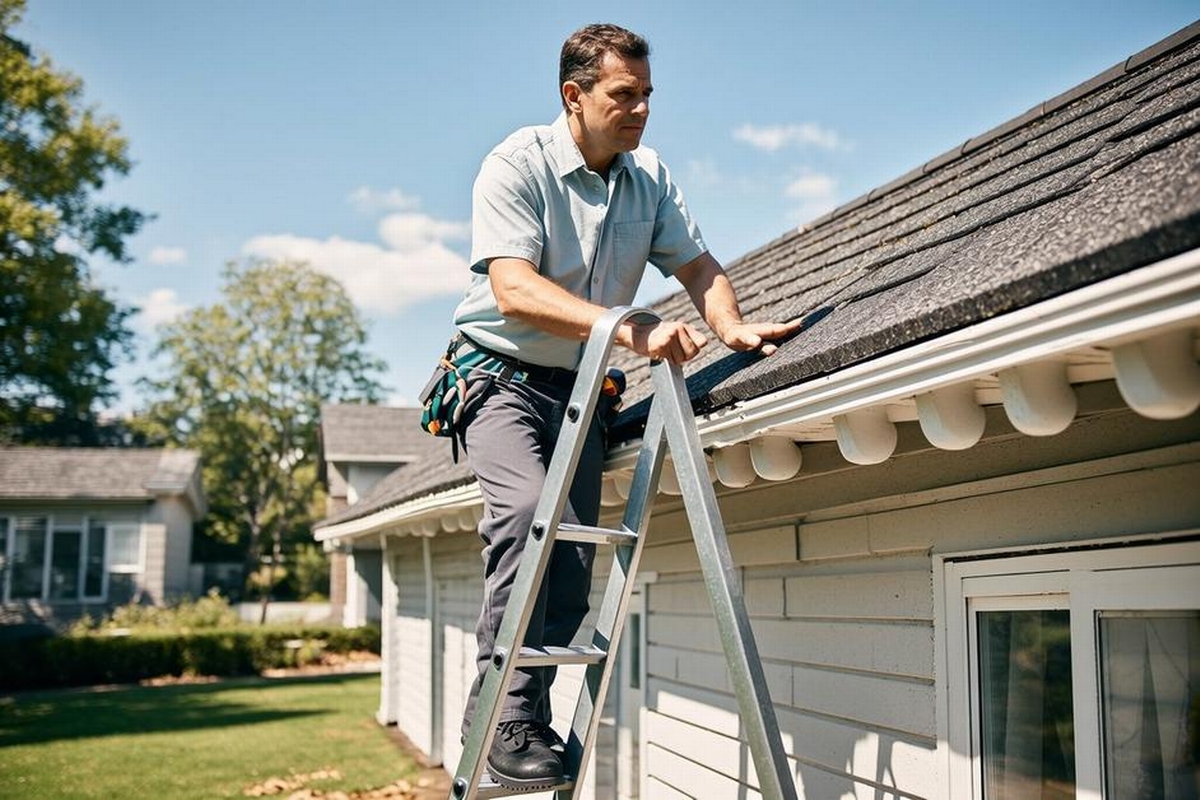
The rumble of thunder and crash of lightning marks the beginning of a storm, often leaving homeowners in Cleveland, OH, anxious about potential damage to their property. The roof, your home’s first line of defense against the elements, often bears the brunt of nature’s fury. Understanding how to check for roof damage after a storm is crucial for any homeowner, not just for preserving the structural integrity of the house, but also for ensuring safety and avoiding costly repairs. This is where firms like Pine Ridge Restoration, offering damage restoration services in Cleveland and its surrounding locales, become invaluable allies.
Checking for roof damage promptly can prevent minor issues from escalating into major problems. This blog will guide you through the different aspects of inspecting your roof post-storm, identifying potential damage, and taking necessary actions. We will cover everything from assessing visible damage and recognizing subtle signs to deciding when professional help is needed.
After a storm, your first step should be a visual inspection of your roof from the ground or using binoculars. Missing, cracked, or curled shingles are a common sign of roof damage. Heavy winds and hail can easily dislodge or damage shingles, leaving underlying layers exposed to further harm. Look for shingles that are scattered around your yard or those hanging loosely.
Other obvious signs include dents in metal gutters and downspouts, divots, or dents in the roof surface, which are indicative of hail damage. Also, examine your roof for any signs of debris accumulation, such as leaves or branches, which might suggest structural impact. A thorough inspection helps identify the scope of the damage and determine whether it can be addressed with minor repairs or if a complete roof replacement is necessary.
Some signs of roof damage aren’t immediately obvious and require a closer inspection. Water spots on your ceiling or walls, particularly after heavy rains, suggest leakage. This is a critical indicator that the protective barriers in your roof have been compromised, allowing water to infiltrate your home’s interior.
Another subtle indicator is granule loss on asphalt shingles. These granules can end up in gutters and are a trademark of storm damage. Over time, the UV protection the granules provide will wear away, shortening the lifespan of your shingles. Listen for unusual sounds during the storm, such as prolonged creaking or banging, which could indicate a loose section of the roof.
The attic is often the best place to detect roof damage. After a storm, a visit to your attic can reveal tell-tale signs of water ingress, such as damp beams or mold growth. Carefully inspect the attic during daylight hours; any rays of sunlight filtering through indicate holes or cracks in the roof.
A musty smell is another warning sign of moisture buildup and potential mold infestation. This not only helps in identifying leaks but is also essential in steering you toward necessary repairs. Mold growth is not just a roof issue but can affect indoor air quality, contributing to health problems.
While minor issues can sometimes be resolved with DIY efforts, there are times when consulting professionals like Pine Ridge Restoration should be your next step. If there’s extensive damage or you’re unsure about the extent of the impact, it’s wise to seek expert advice. Professionals are trained to conduct comprehensive assessments that can identify damage you might miss.
Pine Ridge Restoration provides storm damage restoration in Cleveland and can offer specialized insights and repair solutions tailored to your needs. Using professional services ensures that repairs are done correctly and efficiently, ensuring the integrity and safety of your home.
While not exhaustive, the following guide provides the essential steps you should take to evaluate your roof post-storm:
This simplified process will help you quickly gauge the extent of the damage and inform your next steps.
After addressing current damages, consider taking preventative measures to mitigate future issues. Regular maintenance checks and consistent cleaning of gutters can prolong the lifespan of your roof. Trim overhanging branches and ensure trees are safely distanced from the house to prevent physical damage during storms.
Additionally, consider installing impact-resistant roofing materials, which are better suited to withstand harsh weather conditions. Regular roof inspections by professionals ensure you catch potential problems early, saving time and costly repairs down the line.
Roof inspections and follow-up actions can be overwhelming, especially after a damaging storm. Engaging with a trusted service like Pine Ridge Restoration in Cleveland, OH, is a proactive step towards protecting your home. For those facing extensive water damage or potential hazards, such as a vehicle & tree impact damage restoration in Bentleyville, professional intervention can prevent further complications.
With this comprehensive guide, homeowners are better equipped to handle the aftermath of a storm. Remember, while some roof damage can be easily mitigated through regular inspections and maintenance, professional restoration services offer a more reliable solution for complete peace of mind.
If you're in Cleveland or nearby areas such as Rocky River and require storm damage restoration, Pine Ridge Restoration is ready to assist. With expertise in water damage restoration and more, their experienced team can help restore your home to its pre-storm condition. Contact Pine Ridge Restoration today to safeguard your home's future.
July 01, 2026
June 17, 2026