Can Black Mold Grow on Cement Surfaces
September 17, 2026
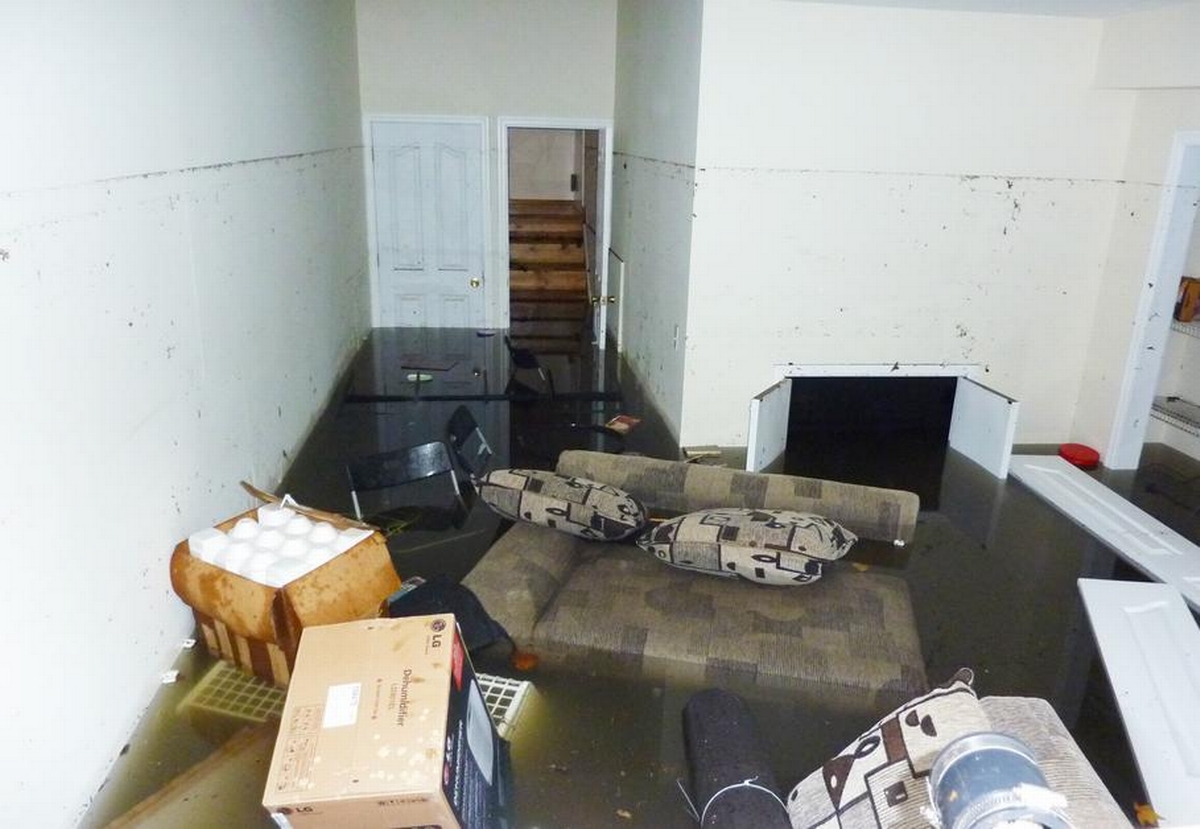
Flooding in basements is a challenge many homeowners in Cleveland, OH, face year-round. You may be pondering, "Why do basements flood?" The answer is multifaceted, involving a combination of natural elements like rain and snow and human factors like plumbing mishaps. While the reasons are varied, the frustration is universal. As a homeowner, the importance of understanding these causes cannot be overstated, not merely for the sake of convenience but also to safeguard your property's integrity. Luckily, if unexpected disasters occur, you can always turn to a reliable damage restoration company in Cleveland and its nearby neighborhoods for help.
Before you start considering basement flooding as a seasonal nuisance, remember that most floods are preventable. This blog will dive deep into the common causes of basement flooding, share proactive strategies to mitigate these risks, and explore expert solutions that can save time, money, and stress.
One of the most frequent culprits in flooding events is extreme weather. Cleveland is no stranger to heavy rainfalls and rapid snow melts, which can overwhelm drainage systems and seep into your basement. This is particularly concerning if your home's drainage system isn't equipped to handle sudden surges of water. Ensure your gutters and downspouts are clear and redirect water several feet away from the foundation.
Sump pumps are the unsung heroes of most basements, designed to pump water away from your property's foundation. When they fail, either due to a power outage or a mechanical issue, flooding becomes almost inevitable. Regular maintenance, including inspecting for clogs or electrical problems, is essential to ensure their effective operation. Some opt for a backup system, such as a battery-operated sump pump, to safeguard against outages.
Cleveland's temperate climate can take its toll on residential structures. Older homes are especially susceptible, as aging materials and design flaws can lead to water infiltration. Inspect your basement walls and window seals for visible cracks and aging caulking, addressing any issues immediately to maintain an impenetrable outer shell for your home.
Your home's exterior topography plays a significant role in water drainage. If your yard slopes toward your building, water is effectively being funneled directly into your foundation. Consider re-grading the landscape, or consult landscaping professionals to design natural barriers, such as retaining walls, to direct water away from your house.
Sometimes the issue isn’t outside at all. Burst pipes or sewer backups can introduce significant water flow into basements rather quickly, often catching homeowners unprepared. Implementing routine plumbing inspections can help identify problem areas that may lead to plumbing disasters. For instance, engaging in preventive maintenance to detect issues like weak spots in pipes or potential sewer line clogs can drastically reduce the risk of such flooding.
During prolonged periods of rain, the soil surrounding your home can become overly saturated, causing excess groundwater to seep in from unexpected places. Proper waterproofing measures, like sealing basement walls and maintaining an efficient drainage system, can help manage groundwater intrusion.
Once you understand the varied reasons why basements flood, the next step is implementing preventative measures to fortify your home's defenses. Here are several strategies widely regarded as highly effective:
While DIY solutions can go a long way, partnering with industry professionals ensures your home is prepared for every eventuality. Consider engaging a service specializing in water damage restoration in Cleveland. Expert teams can assess your current setup, identify vulnerabilities, and suggest comprehensive solutions tailored to your unique circumstances. They bring a level of expertise that often surpasses what homeowners can manage independently.
When severe weather hits, potentially causing flooding or sump pump failure, having a trusted expert on call can make all the difference. With services like storm damage restoration in the Twinsburg region, specialists are ready to assist in the event of unexpected disasters, providing reassurance that your property is in safe hands.
Navigating basement flooding can be overwhelming, but you don't have to tackle it alone. In places like Avon Lake, tailored services are available for water damage restoration in Avon Lake for scenarios when basement flooding has already occurred. Pine Ridge Restoration offers an array of solutions, from mold remediation to burst pipe repair, adapting to whatever specific challenge you face.
By collaborating with Pine Ridge Restoration, you access a team of professionals dedicated to safeguarding your home from basement flooding. Whether in Cleveland or surrounding areas like Avon Lake, they offer tailored solutions for your peace of mind. Be proactive and ensure your basement is flood-ready today, and don't hesitate to reach out to our specialists for assistance in keeping your home dry and secure.