Can Black Mold Grow on Cement Surfaces
September 17, 2026
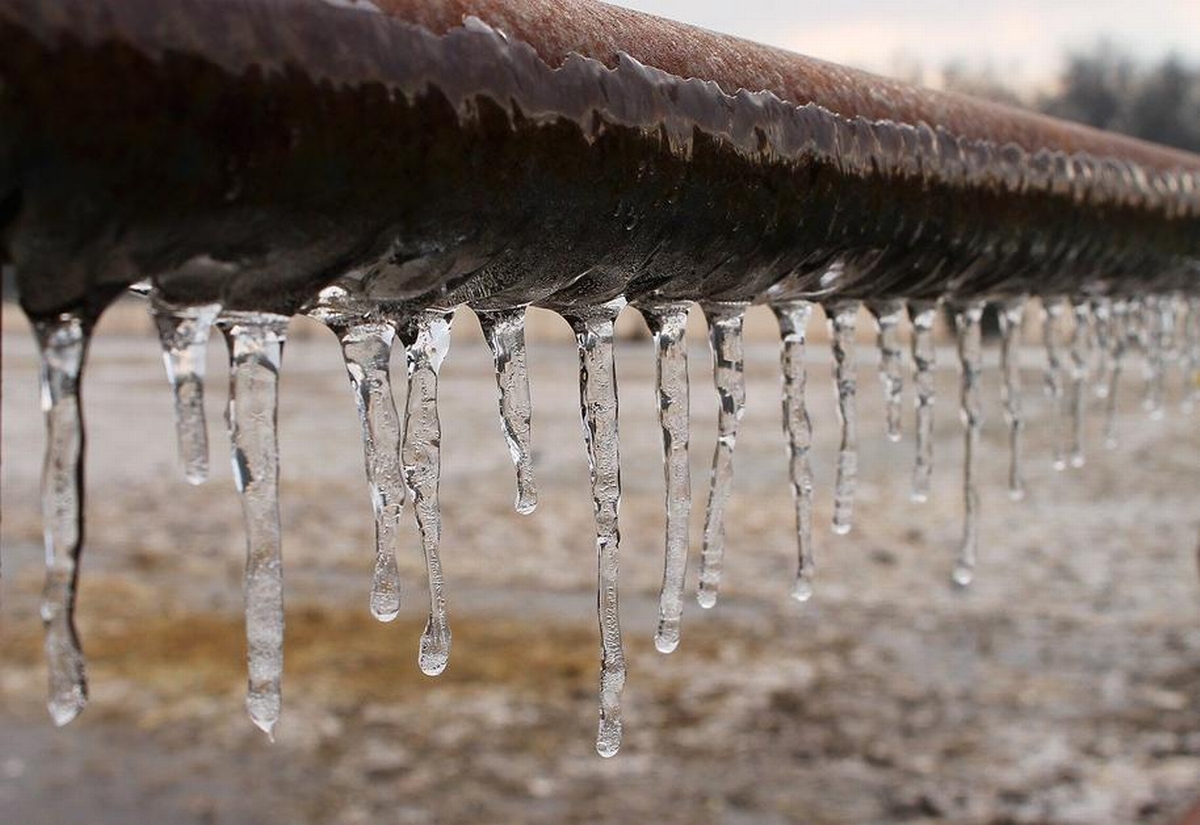
Have you ever wondered at what temperature your pipes will freeze in your home? While the winter months in Cleveland bring a picturesque blanket of snow, they also pose a significant threat to homeowners: frozen pipes. This threat isn't just a nuisance; it can lead to costly damage and major inconveniences in your daily life. With damage restoration services in Cleveland offering solutions to these challenges, understanding the risks and preventive measures is more critical than ever. In this article, we will explore what temperature will freeze pipes, why this phenomenon occurs, and the steps you can take to protect your home.
As temperatures drop, the water inside your pipes can freeze, causing them to expand and potentially burst. The implications of a burst pipe extend beyond immediate flooding; they can lead to damaging mold growth, compromised structural integrity, and significant repair costs. The good news is that with knowledge and preparation, you can safeguard your home from such disasters. Read on to learn more about the conditions that lead to frozen pipes, the signs of impending danger, and the preventive measures you can implement to keep your home safe.
Water has a unique property: it expands when it freezes. In plumbing systems, this expansion exerts immense pressure on pipes, often resulting in bursts. Pipes are particularly vulnerable in unheated or poorly insulated areas such as basements, attics, garages, and exterior walls. But what temperature will freeze pipes? Generally, pipes can begin to freeze at 20 degrees Fahrenheit (-6 degrees Celsius). However, factors such as wind chill and insulation can influence this threshold, making even slightly warmer temperatures risky.
Understanding the freezing process is crucial. As external temperatures plummet, the heat within your home can escape through uninsulated sections of your building. When this happens around plumbing infrastructures, water starts to freeze, creating a blockage. As the ice builds, it prevents water from escaping, adding pressure on the rest of the pipe. Without intervention, this pressure can lead to a sudden and catastrophic burst.
Certain factors increase the risk of pipe freezing:
Implementing protective measures for pipes is essential:
Preparation is your best defense against freezing pipes. Here's how homeowners in Cleveland, OH can prepare for the winter chill:
If you suspect your pipes are frozen but not yet burst, act quickly:
If the worst happens and your pipes burst, here's what to do next:
In areas like Shaker Heights, quick restoration is crucial to prevent further damage or mold growth. Engaging professionals who specialize in water damage restoration, burst pipe repair, and related services can provide the peace of mind you need during a stressful time.
Leverage technology to manage and monitor your home's plumbing:
Routine maintenance ensures your home remains safe and efficient:
Ultimately, ensuring your home remains a haven during harsh winter months requires diligence, preparation, and collaboration with trusted experts. Imagine the peace of mind knowing your home and loved ones are safeguarded against the dangers of freezing temperatures and burst pipes.
Engage with Pine Ridge Restoration for your damage restoration needs, whether you're dealing with water damage restoration in Mentor-on-the-Lake or preventive measures in Cleveland. Their comprehensive services ensure your property remains protected, even under challenging conditions. Contact us and take action today to secure your home against the winter's worst, and see the difference expertise can make in preserving its safety and comfort.