When to Repair Basement Wall Cracks Before Moisture Gets Worse
August 23, 2026
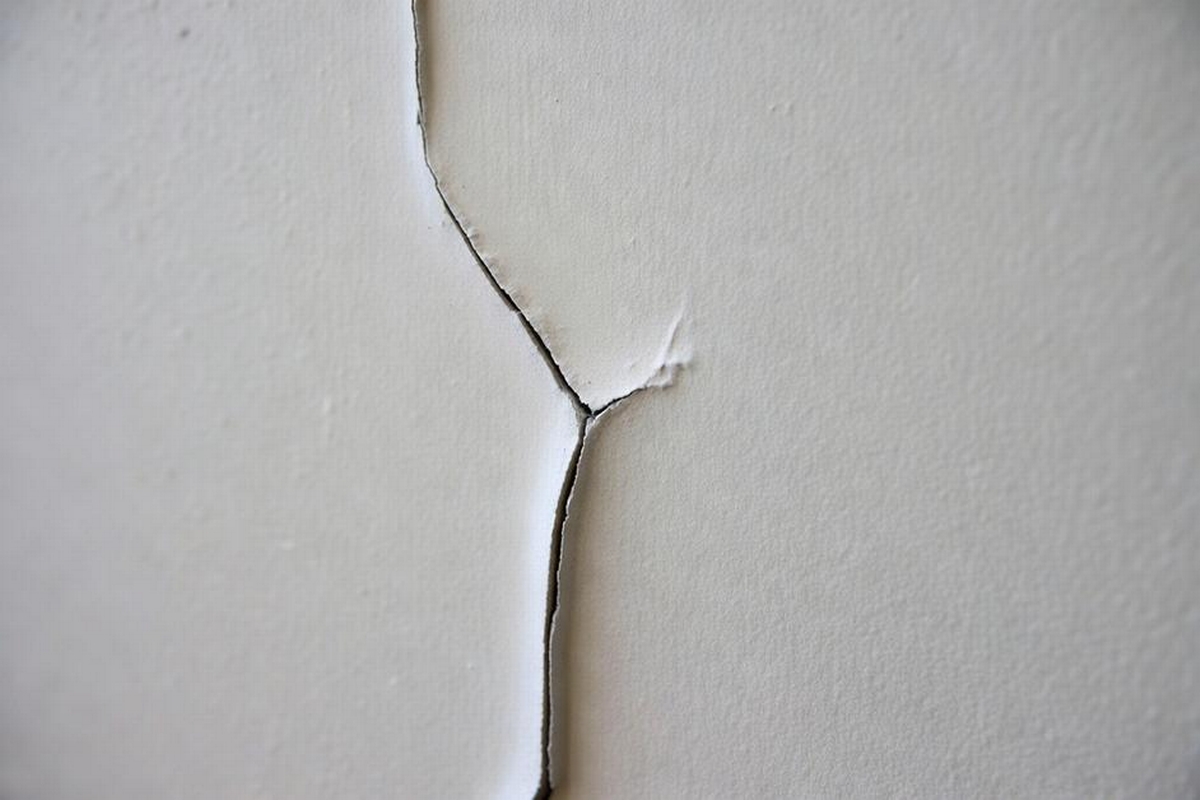
If you've ever walked into a room only to notice irregularities in the walls or ceilings, you may have encountered one of the various types of drywall damage. These imperfections can range from minor cosmetic issues to significant structural concerns, making it essential to identify and address them promptly. Whether you’re a homeowner or property manager, understanding the types of drywall damage and their causes is crucial. As a professional damage restoration company in Cleveland, we at Pine Ridge Restoration are dedicated to helping you not only recognize these issues but also understand how to address them effectively.
Drywall serves as a staple in modern construction, praised for its durability and cost-effectiveness. However, it is not without its vulnerabilities. From moisture intrusion to physical impacts, many factors can lead to drywall damage. This blog will explore these common types, offering insights into their causes and potential solutions. We'll also explain why seeking the assistance of experts in the field is sometimes the best course of action. Keep reading to discover how you can maintain the integrity and appearance of your spaces, and how Pine Ridge Restoration can assist you in Cleveland, OH, and beyond.
In regions where precipitation is frequent, water damage is a common issue impacting drywall. This type of damage often arises from leaks, either from a roof or a plumbing system. Signs of water damage include discoloration, staining, and, in severe cases, sagging. When drywall becomes saturated with water, it can quickly lead to mold growth if not addressed promptly. This is where our water damage restoration services in Cleveland and its neighboring areas come into play, ensuring that your property does not suffer long-term consequences.
Cracks in drywall can appear for various reasons, ranging from natural settling of the building to temperature fluctuations. While small hairline cracks may seem insignificant, they can expand over time and compromise the structural integrity of your walls. It's essential to monitor these crevices, as they might signal underlying foundation issues or improper installation. Repairing cracks typically involves taping and recoating the affected area to restore the surface.
From door handle impacts to accidental punctures, holes are one of the most noticeable types of drywall damage. Depending on the size, repair strategies may vary. Small holes can often be fixed using a drywall patch, while larger holes might require more extensive repair techniques. Not only do these imperfections detract from the aesthetic appeal of a space, but they can also provide an entry point for pests and compromise insulation.
Where there is water damage, there's often mold and mildew. These fungal growths can thrive on damp drywall, posing health risks to inhabitants. Mold often manifests as black or greenish spots and can emit a musty odor. Addressing mold issues requires stringent measures, including removing and replacing affected drywall, and sometimes opting for mold-resistant materials in certain areas. The expertise of professionals specializing in mold remediation is invaluable in these scenarios.
Understanding the causes of drywall damage can help in devising effective solutions. Here’s a deeper dive into common causes and corresponding remedies:
While some types of drywall damage can be repaired with a DIY approach, others require professional attention. If you observe signs of significant water damage, mold, or structural issues, it is crucial to consult experts to prevent further deterioration. Pine Ridge Restoration offers comprehensive services in drywall repair and restoration, using state-of-the-art techniques to restore your property efficiently and effectively.
Prevention is often easier than cure. Regular inspection and maintenance can significantly reduce the risk of drywall damage. Keeping an eye out for early warning signs, such as new cracks or discoloration, allows for quicker intervention. Proper ventilation in humid areas and managing indoor humidity levels can also go a long way in maintaining the health of your drywall.
In the realm of home repair, understanding the types of drywall damage is fundamental. By recognizing the signs early and knowing the causes, homeowners can take proactive steps to preserve their property. For those living in Pepper Pike and its surrounding areas, our fire & smoke damage restoration service ensures your home recovers swiftly and safely from unexpected disasters. Meanwhile, our mold remediation in the Rocky River area stands ready to safeguard your health and home.
Partnering with Pine Ridge Restoration presents you with a trusted ally in tackling any drywall challenges you may face. Whether you’re looking for repair, mitigation, or restoration services, our team is equipped to deliver reliable, high-quality solutions tailored to your needs. Don’t wait for minor issues to escalate. Reach out to our experts today to start the journey toward a safer, more beautiful living environment. Whether it's through our website or by giving us a call, Pine Ridge Restoration is here to support you.
August 23, 2026
August 15, 2026