Can Black Mold Grow on Cement Surfaces
September 17, 2026
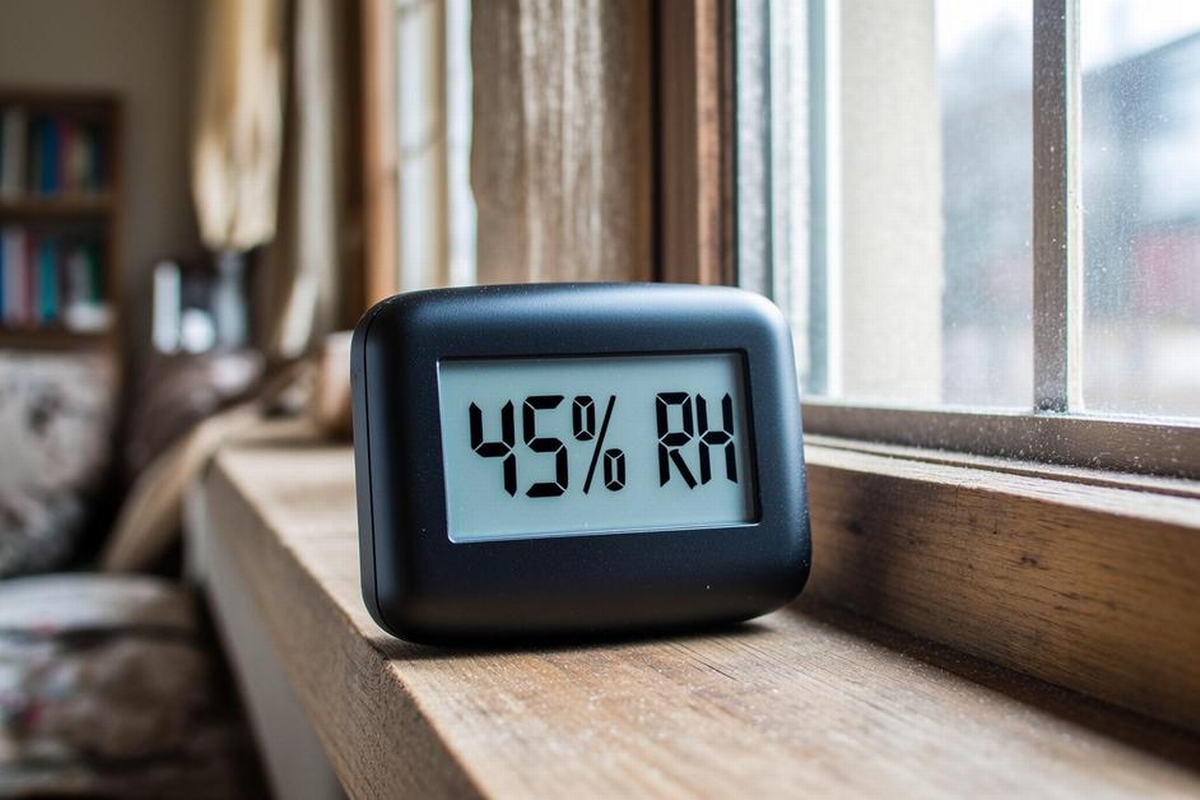
Cleveland, OH, is known for its ever-changing weather conditions, from cold winters to hot and humid summers. The average humidity in Cleveland, OH, plays a significant role in affecting the condition of homes across the city. Homeowners may not be immediately aware of how humidity impacts their property, but it can be a hidden factor in the need for damage restoration services in Cleveland. This post will explore how this crucial element of Cleveland's climate influences various aspects of residential properties and share tips on how homeowners can mitigate potential issues.
So, what exactly is humidity? It refers to the amount of moisture in the air, and in Cleveland, the levels can vary dramatically with each season. During colder months, low humidity can result in dry skin and respiratory issues. Conversely, the summer months come with higher humidity levels, which can lead to a completely different set of problems in the home. Understanding these dynamics is essential for Cleveland homeowners who wish to maintain their property in peak condition throughout the year.
Building materials react to humidity levels, as they tend to absorb moisture from the air. Common materials such as wood, drywall, and concrete can expand and contract as humidity levels fluctuate. In Cleveland, where humidity can vary, repeated expansion and contraction can weaken structures over time. For instance, wood floors can warp, and drywall can crack, leading to more extensive repairs. Regular monitoring of humidity levels can help in preventing these issues and preserving the integrity of home structures.
Wood is particularly susceptible to humidity changes. In high humidity, wood can absorb moisture and expand, causing doors and windows to stick. Moreover, it can lead to the development of mold, which can pose health risks to the home’s inhabitants. A humid environment is also a perfect breeding ground for pests such as termites and carpenter ants. To manage humidity, homeowners should consider dehumidifiers and ensure proper ventilation to keep wood elements in good condition.
The average humidity in Cleveland not only affects the physical elements of a house but can also impact indoor air quality. High humidity can foster mold growth and increase the concentration of airborne allergens. This can be particularly concerning for individuals with respiratory conditions. For better air quality, it's important to keep indoor humidity levels between 30% and 50%, as recommended by health experts. Regularly checking and adjusting indoor humidity levels can lead to a healthier living environment and decrease the need for services like mold remediation in Cleveland.
Managing the humidity levels in your home is crucial in preventing structural damage and health issues. One effective strategy is using a dehumidifier, particularly during Cleveland's humid summer months. This can help to maintain optimal indoor humidity levels and protect your home’s structural elements and air quality.
Additionally, ensuring your home has adequate ventilation by installing exhaust fans in bathrooms and kitchens can be beneficial. It is also advisable to seal openings in the home to prevent moisture ingress. In winter, using a humidifier can help counteract the effects of too-low humidity, preventing dry skin and maintaining wood finishes.
Cleveland experiences diverse weather patterns, and homeowners need to adjust their strategies seasonally to combat humidity issues. For example, during the summer, an increase in storms can lead to flooding, necessitating water damage restoration services in Cleveland, OH. Homeowners should inspect their basements and other flood-prone areas routinely to ensure they remain dry and mold-free. Investing in sump pump failure cleanup can prevent potential water damage and costly repairs.
During wintertime, dry indoor air can be managed with humidifiers, which can improve air quality and prevent damage to woodwork. It's important to remember that proper maintenance of household tools like humidifiers and dehumidifiers ensures efficient operation and longevity.
Persistent high humidity in Cleveland homes can create a breeding ground for pests such as termites and carpenter ants that thrive in moist environments. To mitigate this risk, homeowners should regularly check for leaks around plumbing and roofs. Promptly addressing these issues can prevent pest infestations and the subsequent need for more intensive damage restoration services.
Maintaining optimal humidity levels in a home not only keeps the property in good condition but also preserves its market value. Cleveland homeowners who proactively manage humidity can avoid costly repairs and maintain their home's aesthetic and functional appeal. This approach can be especially beneficial if you're planning to sell your home in the future, as prospective buyers often consider maintenance history.
Understanding how the average humidity in Cleveland impacts homes can empower property owners to take preventative actions today. When humidity-related issues happen, such as the unfortunate need for storm damage restoration, Pine Ridge Restoration offers the expertise and services necessary to address these problems efficiently. Our team is committed to protecting homes in Cleveland and surrounding areas like Solon, ensuring your property remains safe and sound. Reach out to Pine Ridge Restoration to learn how we can support you in maintaining the well-being of your home.