Can Black Mold Grow on Cement Surfaces
September 17, 2026
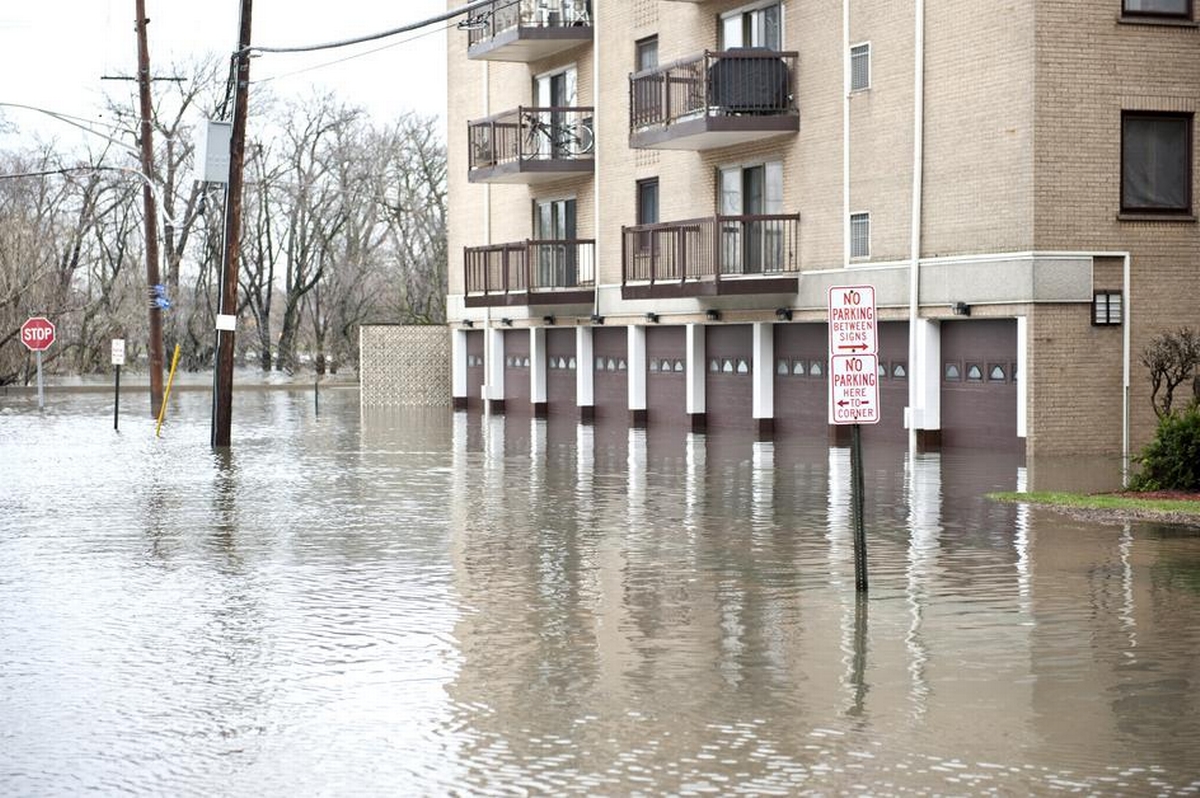
Flooding can strike unexpectedly, turning calm environments into chaotic waterscapes in a matter of hours. Whether triggered by torrential rain, rising rivers, or plumbing failures, flooded buildings can incur significant damage the longer they remain submerged. For residents of Cleveland, OH, where weather variability is a continual concern, understanding how to swiftly and effectively respond to flooding cannot be overstated. Many residents often find themselves requiring damage restoration services in Cleveland and its surrounding regions, which offer a comprehensive array of solutions for dealing with flood aftermaths.
Floods do not just disrupt property structures; they escalate health hazards, pose electrical risks, and spur financial losses. It is crucial to act immediately when water levels start rising. This article explores pivotal actions property owners can take to minimize damage, emphasizing the importance of a systematic approach. With a focus on safe practices, effective water removal, and preventive measures, the information here serves to guide those in distress and help prepare them for future strategies.
When a building floods, the first instinct is often to panic. However, keeping a calm head is vital in mitigating further damage. Understanding the dos and don’ts can draw a line between a salvage operation and a complete loss. The architectural integrity of any building stands vulnerable to the erosive forces of water, so it is important to have a strategy in place before disaster strikes.
Initially, access to the building should be limited until it has been deemed safe by the relevant authorities. The foundation, walls, and floors can become unstable, increasing the risk of collapse. Look for visible signs of structural damage such as cracks or sags. It's important to refrain from turning on electrical appliances, as water compromises electrical systems, creating severe hazards. Shut off electricity and gas supplies to prevent fires or explosions, and always use personal protective equipment when assessing the situation.
Once entry is permissible, the immediate task is water extraction. The longer water remains in place, the greater the likelihood of irreparable damage to floors, furnishings, and other indoor assets. Using pumps and wet vacuums expedites the process of removing as much water as possible. Professional assistance often expedites this process and ensures thoroughness, as seen in the numerous successful cases handled by water damage restoration services in Cleveland and its neighboring regions.
After water is removed, the focus must shift to minimizing moisture. Ventilating the space by opening windows and using dehumidifiers helps deter mold growth, a common consequence of residual dampness. Mold remediation and water damage restoration are often necessary steps for flooded buildings to restore a safe, healthy environment.
Once the area is aired out, furniture and movable valuables should be salvaged or repurposed. While the loss of personal items is disheartening, documenting the damage is crucial for insurance claims. Photographs and detailed descriptions aid adjusters in gauging loss, thereby speeding up the reimbursement process.
Navigating through the aftermath of a flood can be overwhelming. Professional damage restoration services provide expertise and advanced equipment necessary for a safe and efficient recovery process. When engaging with such professionals, clear communication is essential. Outline the extent of damage, provide access to key affected areas, and discuss potential risk factors, such as previous structural vulnerabilities or hazardous materials involved in the construction.
Fostering an open dialogue with restoration experts ensures that tailored solutions can be provided for the specific challenges facing each unique scenario. Whether it involves addressing mold contamination, burst pipe repair, or electrical failures, discussing every possible outcome paves the way toward successful restoration.
While recovery is of utmost importance, implementing preventive measures can remarkably reduce the impact of future flooding events. Start by evaluating your property's flood risk through local government resources. Regular maintenance of roof drainage systems and ensuring unclogged gutter paths can prevent excess water from overwhelming your building. Consider installing a sump pump if your property is particularly susceptible to water accumulation.
Flood barriers and check valves can divert or limit the extent of water intrusion. Improve landscaping with a slope that directs water away from your property. Moreover, reinforcing basement walls can manage pressure from groundwater, safeguarding your building’s foundation.
It is crucial to have a clearly defined emergency plan. Designate responsibilities to household members or colleagues and establish a communication strategy to stay informed about weather alerts.
Technology offers innovative solutions to traditional flood challenges. Modern companies within the restoration industry utilize sophisticated water detection systems and real-time monitoring technologies. These innovations help in promptly identifying and ameliorating risks, offering a strategic advantage in dealing with flooded buildings. Adoption of these technologies can make a significant difference in loss reduction and operational efficacy during critical situations.
Expanded use of smart home solutions further empowers residents with remote monitoring and control of essential utility systems. By notifying occupants of potential threats, homeowners can preemptively mobilize resources, further mitigating the impact of floods.
The restoration industry faces evolving demands requiring adept handling of complex situations. For residents of University Heights, storm damage restoration offers specific insights into managing unexpected weather-induced challenges. Opting for seasoned professionals such as those at Pine Ridge Restoration translates into peace of mind through their proven track records and established credibility.
Using recommended experts ensures regulations and procedural standards are adhered to in restoring buildings to their pre-flood conditions. Credible services employ trained personnel who are well-versed in restoration nuances, adeptly tackling each phase of recovery, from initial assessment to full restoration.
Flooding poses a daunting challenge, yet nuanced insights and preparedness reinforce resilience against such unpredictability. The judicious application of best practices empowers afflicted parties through informed decisions, safeguarding properties and treasured belongings. For its homeowners, mold remediation in areas like Kirtland is a testament to the essential nature of post-flood recovery services.
Residents of Cleveland, OH, and surrounding areas can rely on Pine Ridge Restoration for expert support through every recovery phase. Their commitment to quality restoration and dependable service ensures peace of mind amid the chaos of water-related disasters. Reach out today to explore a partnership in restoring and revitalizing your personal or commercial spaces.