How to Deal with Wind Damage to Aluminum Siding
September 21, 2026
Flooding ranks among the most destructive natural disasters, causing significant damage to residential and commercial structures. The threat of devastating floods continues to rise in various parts of the world, especially with changes in climatic conditions impacting weather patterns. For property owners, the need for flood-proof buildings has never been more pressing. Restoration contractors in Cleveland and its surrounding areas play a pivotal role in implementing advanced techniques to safeguard structures from flood damage. This blog post explores the necessity for floodproofing and offers insights into the modern strategies employed to protect buildings from long-term flood damage.
Flood-proof buildings are not just about dealing with the aftermath of a flood but proactively preventing damage before it occurs. This proactive approach involves a combination of architectural innovation, strategic location planning, and comprehensive building maintenance. We'll delve into the essential elements that constitute flood-proof construction, as well as look at various strategies, materials, and technologies that have been developed to address flood risks specifically. By understanding these strategies, property owners can make informed decisions to protect their assets effectively.
Understanding the specific flood risks your property faces is the first step toward implementing adequate protective measures. This involves a comprehensive assessment of flood-prone areas, rainfall patterns, and the proximity of water bodies. In Cleveland, where unpredictable weather poses unique challenges, analyzing historical data and current trends is crucial.
One of the most effective methods of floodproofing is elevating buildings above potential flood levels. This can be achieved through a variety of techniques, including the use of stilts, pilings, or mounds. Elevation is particularly beneficial for properties located in low-lying areas that are prone to frequent flooding. By raising the structure, water can flow beneath it without causing damage, effectively reducing the risk of water ingress.
Modern construction offers a range of waterproof materials that enhance the resilience of buildings against floodwater. The use of specially designed sealants, coatings, and membranes can help prevent water from seeping into walls and foundations. Additionally, selecting durable materials such as concrete, steel, and specially treated wood can further minimize water damage. It's important that these materials be both water-resistant and capable of withstanding the force of flowing water.
Efficient drainage systems are a vital component of floodproofing. Properly designed gutters, downspouts, and drainage channels are essential to direct water away from the building, reducing the chances of pooling and accumulation around the foundation. In Cleveland, OH, where heavy rainfall can quickly lead to flooding, investing in well-engineered drainage solutions is essential. Smart drainage systems, equipped with sensors and automation, offer real-time adjustments and notifications, enhancing a building’s ability to handle extensive water flow efficiently.
Technology continues to play a significant role in enhancing floodproofing strategies, offering innovative solutions to long-standing challenges.
Flood detection technology has evolved to include intuitive systems that provide real-time data and alerts to property owners. These systems utilize sensors placed in key areas around a property to monitor water levels and provide early warnings of potential flooding. This advance in technology allows for timely intervention, reducing potential damage and aiding in efficient evacuation if necessary.
Flood barriers and gates can be either permanent or deployable structures designed to provide a protective shield against water. They come in various forms, including inflatable barriers, demountable walls, and self-rising gates. Their adaptability makes it possible to protect both large-scale commercial buildings and individual homes. Flood barriers are particularly effective in Cleveland, where sudden storms can lead to flash flooding.
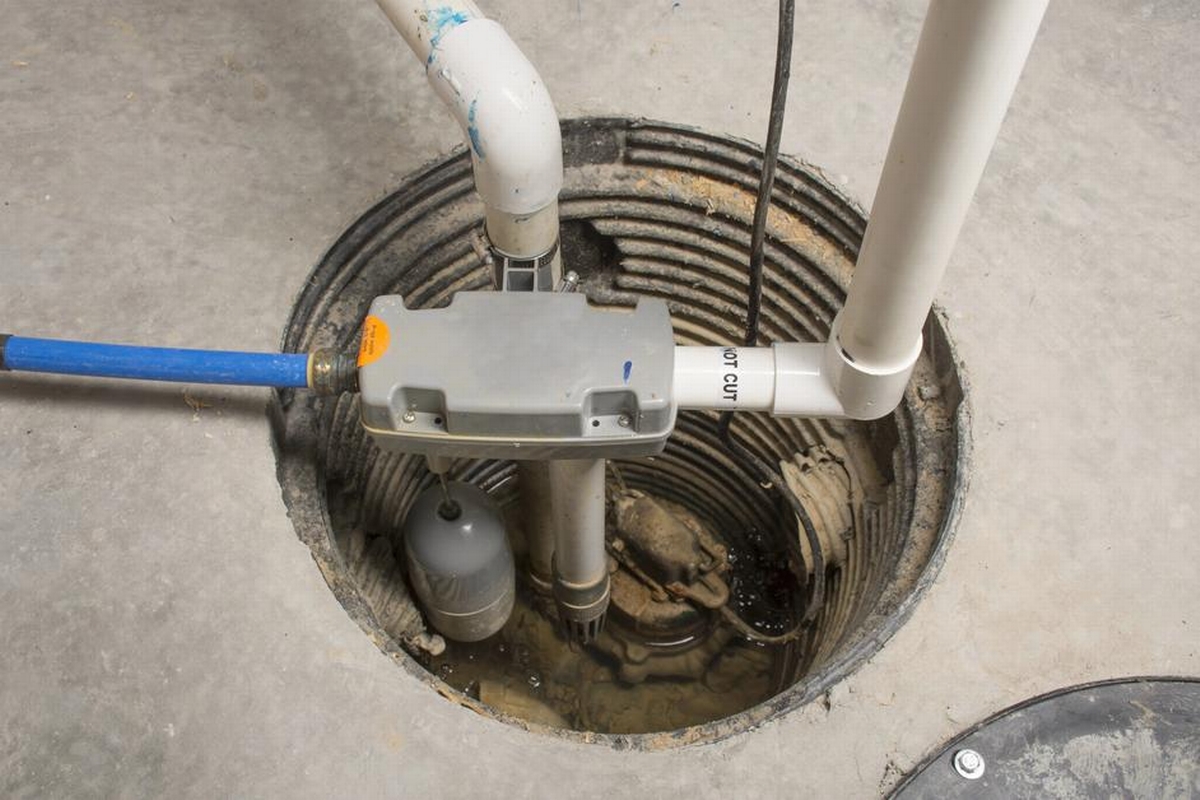
A sump pump system is an essential feature for preventing basement flooding. However, not all sump pumps offer the same level of protection. Advanced systems, often equipped with battery backups and alarm features, provide peace of mind during extreme weather conditions. Ensuring that your sump pump system is maintained and regularly checked will prevent failures at critical times. For instance, a sump pump failure cleanup in Cleveland can be avoided with the right inspections and technology.
While floodproofing offers substantial benefits, there are considerations to keep in mind. Building codes and regulations often dictate what floodproofing measures are necessary or permissible for particular locations. Compliance with such regulations ensures both safety and legality. It’s also vital to keep an eye on insurance requirements, as some insurers may provide discounts or incentives for adequately floodproofed properties.
External factors such as climate considerations, neighborhood preventative measures, and community planning initiatives also impact the effectiveness of floodproofing. Working closely with city officials and community planners can lead to more holistic protections that benefit entire neighborhoods instead of just single properties.
Protect your investment by employing robust floodproofing solutions today. Explore the best modern strategies with Pine Ridge Restoration, your trusted partner in safeguarding properties in Cleveland and beyond. Whether it's storm damage restoration in Mentor or flood management solutions, our team is dedicated to delivering the highest standards of protection and restoration. Contact us today to learn more about how you can benefit from our expertise in creating floodproof buildings, ensuring long-term security and peace of mind.
September 21, 2026
September 17, 2026