Can Black Mold Grow on Cement Surfaces
September 17, 2026
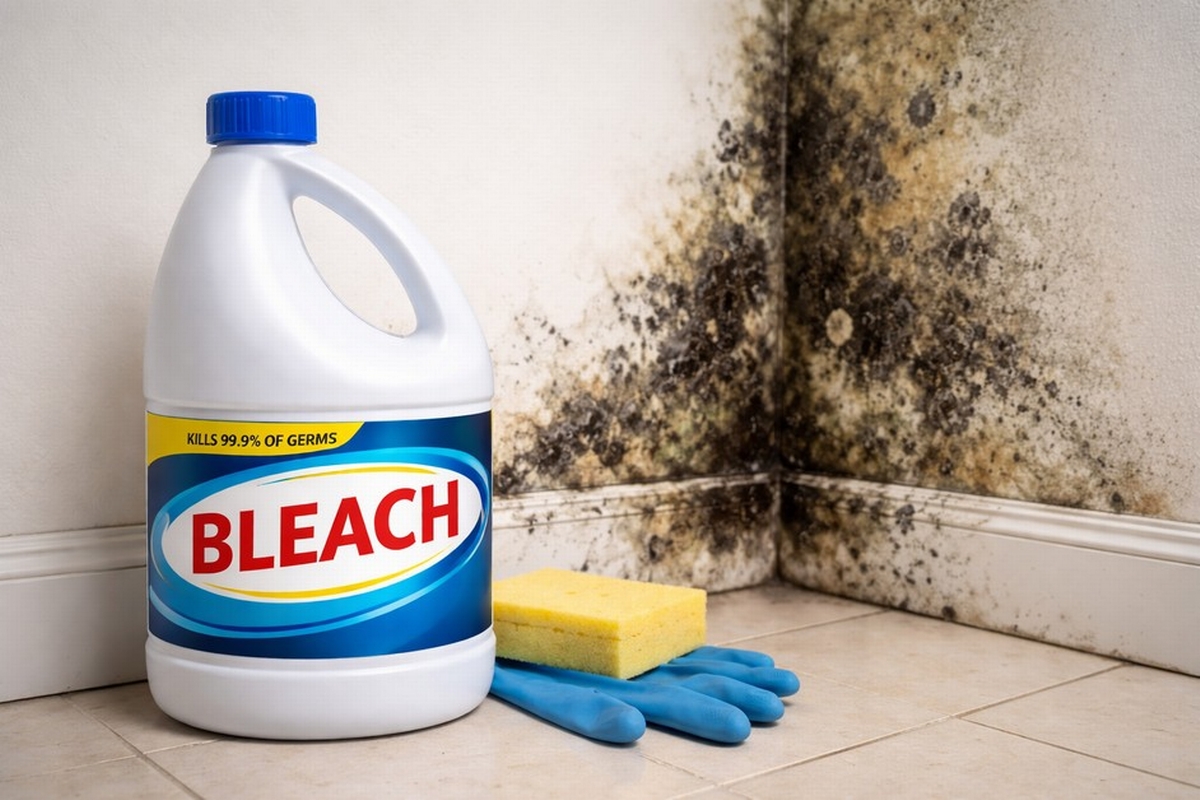
Black mold, with its infamous reputation, often sends homeowners into a flurry of anxiety. Known for its potential impact on health and property, the need to address black mold effectively is undeniable. This makes the question, “Does bleach kill black mold?” a frequent query. Many people turn to bleach as their first line of defense, but is that the best approach? As a resident of Cleveland, OH, you might be familiar with the risks posed by mold, given the city's varied climate, prompting many to seek property damage restoration services in Cleveland and beyond to combat this issue.
Given its strong chemical properties, bleach is commonly perceived as a go-to solution for mold remediation. However, it is important to thoroughly understand what bleach can and cannot do when it comes to treating black mold. This blog post will delve into the myths and realities of using bleach on black mold while exploring alternatives that may prove more effective. With proper guidance, you can ensure the safety and integrity of your home environment.
Black mold, technically known as Stachybotrys chartarum, thrives in damp, humid environments. It often colonizes building materials like drywall, carpet, and wood when these materials remain wet over time. Cleveland's climate, with its potential for heavy rainfall and humid summers, often makes homes susceptible to black mold infestations. Keeping your home adequately ventilated and addressing leaks promptly are key preventative measures against this unwanted guest.
Health risks associated with black mold can be significant. Its presence can lead to respiratory issues, skin irritation, and other health problems, particularly in individuals with preexisting health conditions or suppressed immune systems. Understanding black mold means acknowledging these risk factors and recognizing the urgency of addressing them in a timely manner.
The belief that “does bleach kill black mold” is accurate stems from bleach's known disinfectant properties. In many households, bleach is a staple cleaning agent due to its ability to remove stains and kill microorganisms. However, its effectiveness against black mold, particularly in porous materials, is limited and often misunderstood.
When bleach is applied to black mold on a porous surface, it may kill the surface mold, but its inability to absorb deep within the material allows roots to remain intact. This means that the mold can return, often more resilient than before. Moreover, bleach lacks the ability to form an adequate barrier against future mold growth, necessitating more comprehensive remediation methods.
While bleach may seem like a straightforward solution, there are several reasons why it may not provide a long-term resolution for black mold issues. Its ineffectiveness on porous materials can give a false sense of security, allowing mold to flourish once again. Additionally, bleach can cause damage to certain materials, leading to discoloration or degradation over time.
Alternative remedies for mold remediation often prove superior in effectiveness. Some options include using vinegar or baking soda, both of which are able to penetrate porous surfaces more effectively than bleach. Professional mold remediation services in Cleveland, OH, employ advanced techniques that not only remove mold but also address the underlying causes, ensuring that the problem does not recur.
When considering the alternatives to bleach, several solutions offer a safer and more comprehensive approach to eliminating black mold:
While these methods can be effective, significant mold issues often require professional intervention. Relying on expert knowledge and techniques ensures that not only is the mold removed, but preventative measures are also implemented to stop regrowth.
For extensive mold problems, turning to professional services offers several key advantages. Experts can assess the extent of the mold invasion, identify moisture sources, and recommend preventative measures to minimize future growth. Additionally, professionals like Pine Ridge Restoration utilize industry-standard protective gear and specialized equipment to ensure thorough mold removal.
Mold remediation is not just about removing the visible mold but also addressing hidden mold within walls, ceilings, and floors. Expert services, which include proven strategies and valuable expertise, result in comprehensive solutions designed specifically for the needs of your home.
Once professional services have addressed a mold issue, maintaining a mold-free environment is a shared responsibility. Regular home maintenance, moisture control, and prompt attention to leaks and spills are crucial actions for homeowners. Adequate ventilation, especially in high-moisture areas like bathrooms and kitchens, can significantly reduce the chances of mold reoccurrence.
In Cleveland, where conditions can vary dramatically from one season to the next, frequent inspection of basements, attic spaces, and windows can be essential in your ongoing fight against mold. Understanding the regional climate dynamics and how they impact interior conditions is key to keeping your home safe and healthy.
While homeowners may attempt initial interventions, mold problems often need a comprehensive approach that only professionals can offer. Mold remediation, a vital service, is available in Cleveland, OH and provides long-lasting solutions tailored to individual property needs.
For those residing in Stow, mold remediation services promise to address these concerns with precision and care. The vigilant monitoring and expertly executed strategies offered by Pine Ridge Restoration will afford you peace of mind in maintaining a healthy living environment.
If you're dealing with black mold and asking if bleach is the solution you've been hoping for, it might be time to reconsider. Contact Pine Ridge Restoration today to explore more effective methods. Empower yourself with professional services and ensure a safe, mold-free future for your home.