Can Black Mold Grow on Cement Surfaces
September 17, 2026
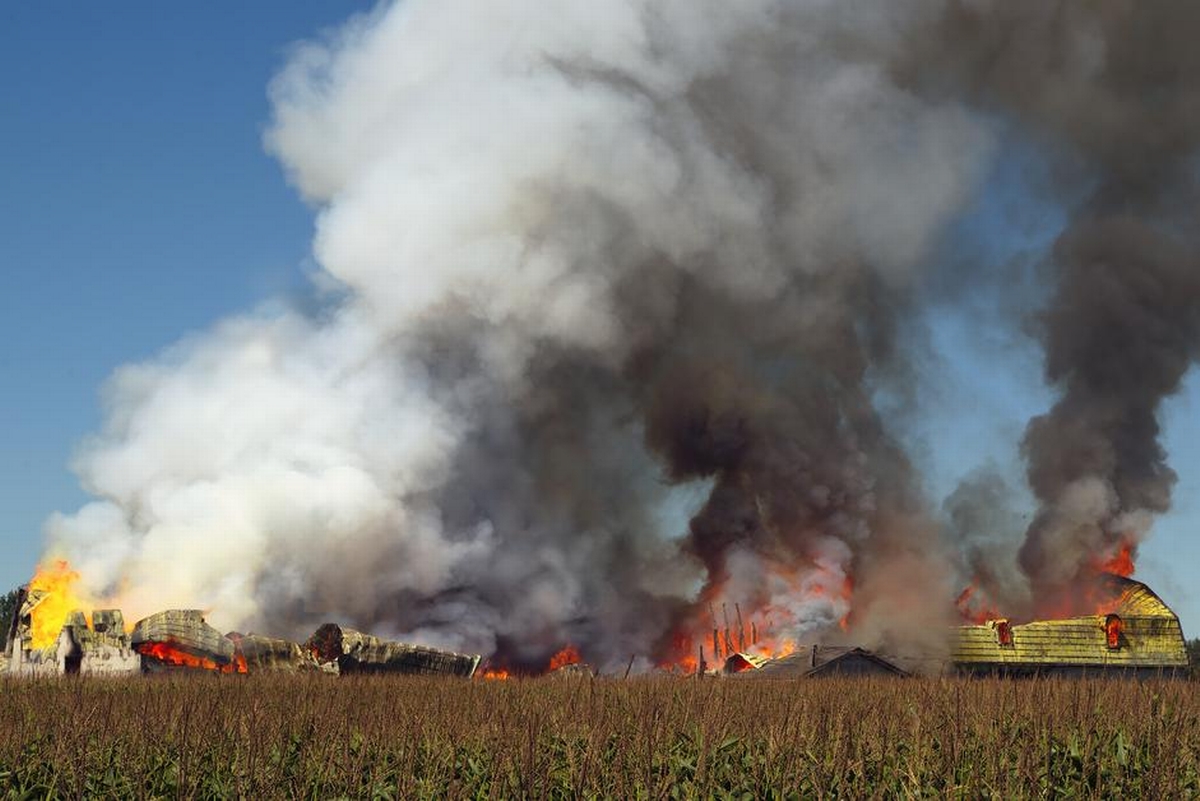
In the aftermath of a fire, smoke clings to every surface it touches, leaving behind a poignant reminder of destruction and damage. The issue of smoke isn't just about the visible soot; it's crucial to understand the types of smoke and how they affect properties. For property owners and restoration contractors in Cleveland, OH, tackling the multifaceted nature of smoke damage requires meticulous planning and expertise. Smoke, in its various forms, can cause structural harm and health concerns long after the flames are extinguished. This article aims to peel back the layers on the different types of smoke, their impact on your property, and why understanding this can be pivotal to effective restoration.
Navigating through smoke damage is not solely about aesthetics. It's about preserving the integrity and safety of the property. We're here to explore three types of smoke: wet smoke, dry smoke, and protein smoke. Each brings its own unique challenges and demands specific approaches for cleaning and restoration. By the end of this blog post, you'll be more familiar with the nature of smoke damage and equipped to safeguard your property effectively.
Wet smoke is typically the result of smoldering, low-heat fires often containing synthetic materials such as plastics. The burning of these materials produces thick, sticky smoke that can cover surfaces with a greasy residue. The primary challenge with wet smoke is its stubborn nature, which clings to surfaces and proves difficult to eliminate. This residue can deeply penetrate porous materials, embedding odors and potential health risks into the very framework of the property.
The difficulty of dealing with wet smoke lies in its pungency and persistence. A thorough understanding of the involved chemistry is crucial for restoration specialists. The sticky nature of wet smoke requires specialized cleaning techniques and products tailored to dissolve and lift the residue. If not addressed properly, wet smoke can result in long-term damage, affecting not only aesthetics but also the health of inhabitants due to lingering toxic residues and odors. Restoration services, such as storm damage restoration in Cleveland, must tackle the nuances of wet smoke for effective remediation.
In contrast to wet smoke, dry smoke results from fast-burning, high-temperature fires. This type of smoke is often powdery, formed from the combustion of natural materials like wood and paper. It's generally easier to clean than wet smoke due to its dry, dusty residue that doesn't deeply absorb into materials in the same way. However, the quick combustion process increases the likelihood of this smoke entering cracks and crevices, complicating the cleanup process.
Restoration efforts for dry smoke center on thoroughness. Despite its less penetrative nature, dry smoke can spread rapidly, meaning that detailed cleaning is vital to remove residue from all affected areas. Failure to address all nooks and crannies can leave behind unpleasant odors and potential respiratory hazards. The impact of dry smoke is not to be underestimated, with its presence influencing both the property's integrity and the occupants' health.
Protein smoke primarily originates from the burning of food and organic matter, typically in kitchen environments. While this type of smoke might be less visible, it is arguably the most challenging due to the strong and persistent odor it produces. Protein smoke tends to discolor paints and finishes, resulting in subtle yet widespread damage that can be hard to identify and harder to cleanse.
Addressing protein smoke requires a comprehensive approach that incorporates both odor removal and visual restoration techniques. The complexities of protein smoke demand expert knowledge of cleaning agents and processes to effectively eliminate its long-lasting effects. The seemingly invisible damage of protein smoke can devalue properties, highlighting the importance of prompt and professional intervention.
Smoke damage extends beyond visible discoloration and odors. It can have a significant impact on the structural integrity of buildings, as well as the health and well-being of those who live or work within them. Prolonged exposure to smoke residues can lead to respiratory issues, skin irritation, and other health problems. Moreover, the acidic compounds found in smoke can begin to corrode and degrade building materials over time.
Property owners dealing with fire & smoke damage in Cleveland and its surrounding cities must consider long-term health implications and potential structural damage when planning restoration. This underscores the importance of engaging expert restoration contractors who understand the nuances of dealing with different types of smoke.
When dealing with smoke damage, time is of the essence. Quick and efficient response can prevent further damage and health risks. Here’s a consolidated list of steps that might be involved when dealing with smoke damage restoration:
This comprehensive approach ensures a thorough cleaning and restoration process tailored to the unique challenges presented by the different types of smoke.
Understanding the types of smoke and the damage they can inflict on properties is crucial. At Pine Ridge Restoration, we pride ourselves on delivering exceptional service to residents of Cleveland, OH and beyond. Whether you're contending with protein smoke from a kitchen fire or the pervasive penetration of dry smoke, our experienced team is equipped to handle any scenario.
If you're facing challenges like fire & smoke damage restoration in Strongsville, you don't have to wait until damage escalates. Our dedicated team is ready to assist you in restoring your property to its original state. We offer expert advice and services that prioritize your property's integrity and the comfort of its occupants.
Reach out to Pine Ridge Restoration to learn more about our tailored solutions. Our expertise in identifying and mitigating the impacts of different types of smoke ensures you receive the highest quality restoration service. Your property's safety and your peace of mind are our top priorities. Act now and let us help you reclaim and protect your space from the lingering threats.